Technology and IP
Four proprietary architectures. One mission: intended multi-spectral terrain concealment. All systems protected under U.S. and international IP law.
FAULTWEAVE
Ω™ — Omega Architecture
Potentially the most advanced camouflage architecture in the GHS portfolio. FAULTWEAVE Ω™ is designed to address visual, NIR, thermal, and radar-band detection simultaneously — a next-generation Omega-layer substrate engineered for operators who demand the highest intended spectral performance across all terrain environments.
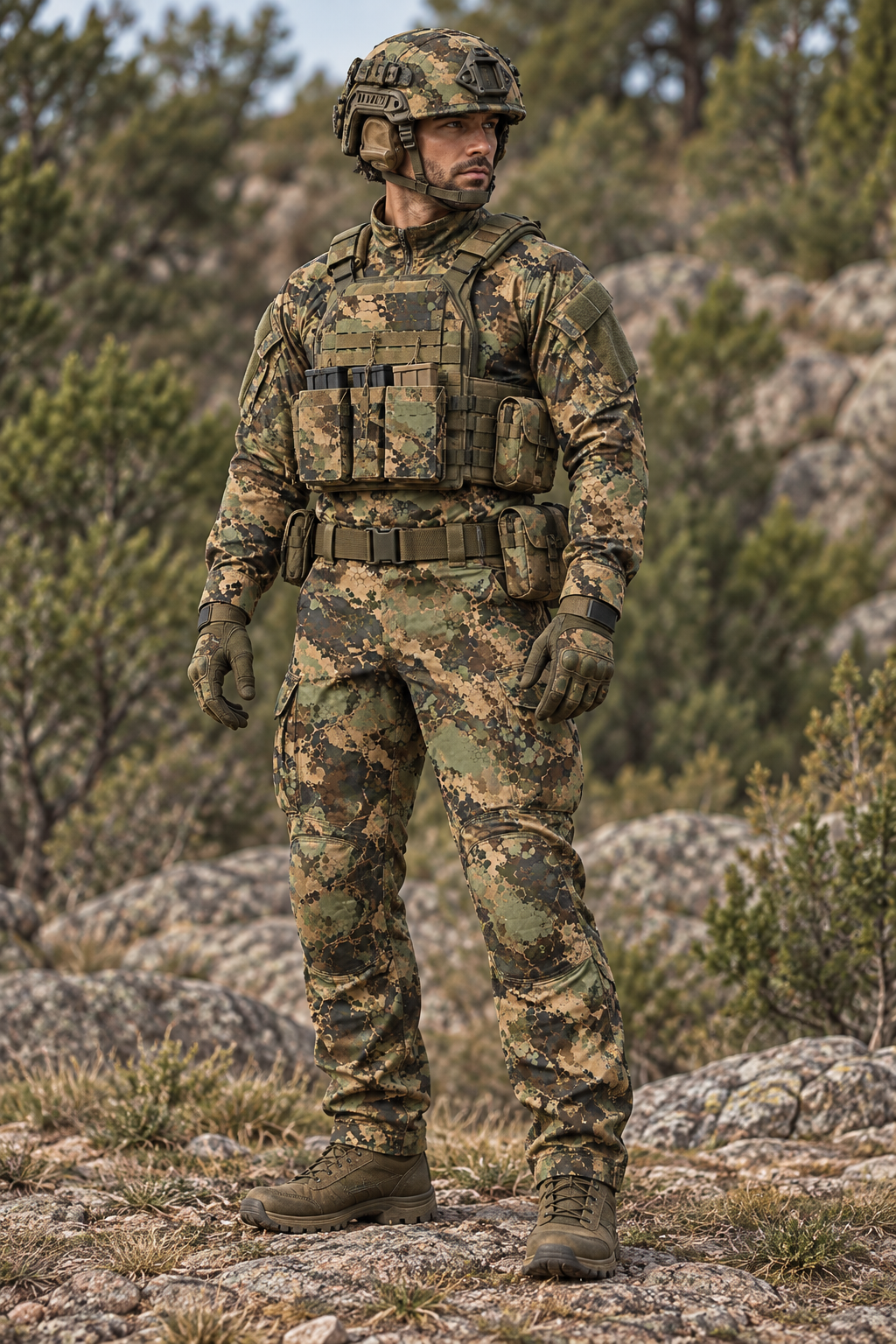
Colorway Family
5-Colorway Omega Matrix
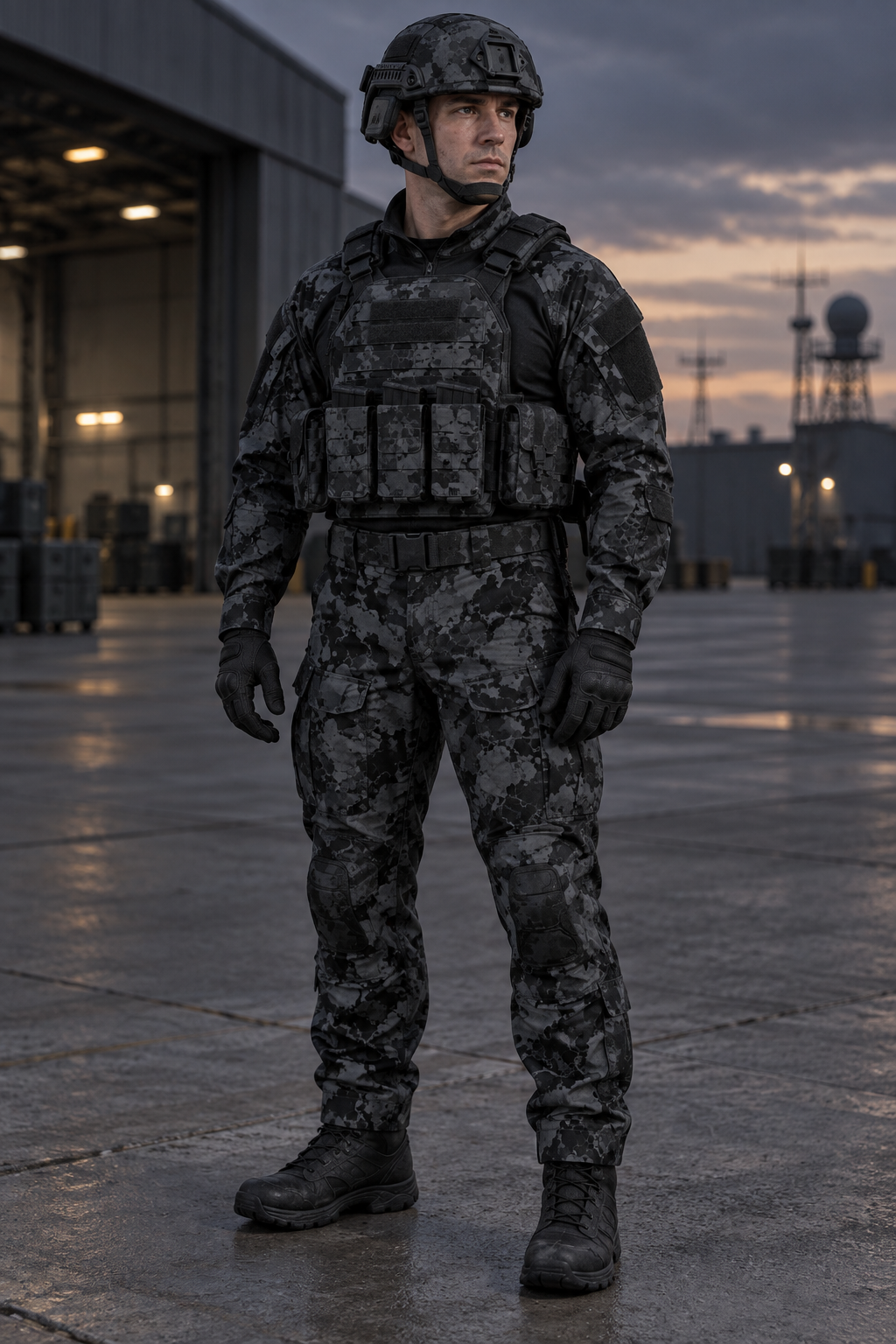
FWΩ-VB
Void Black
Space Force / Low-Observable
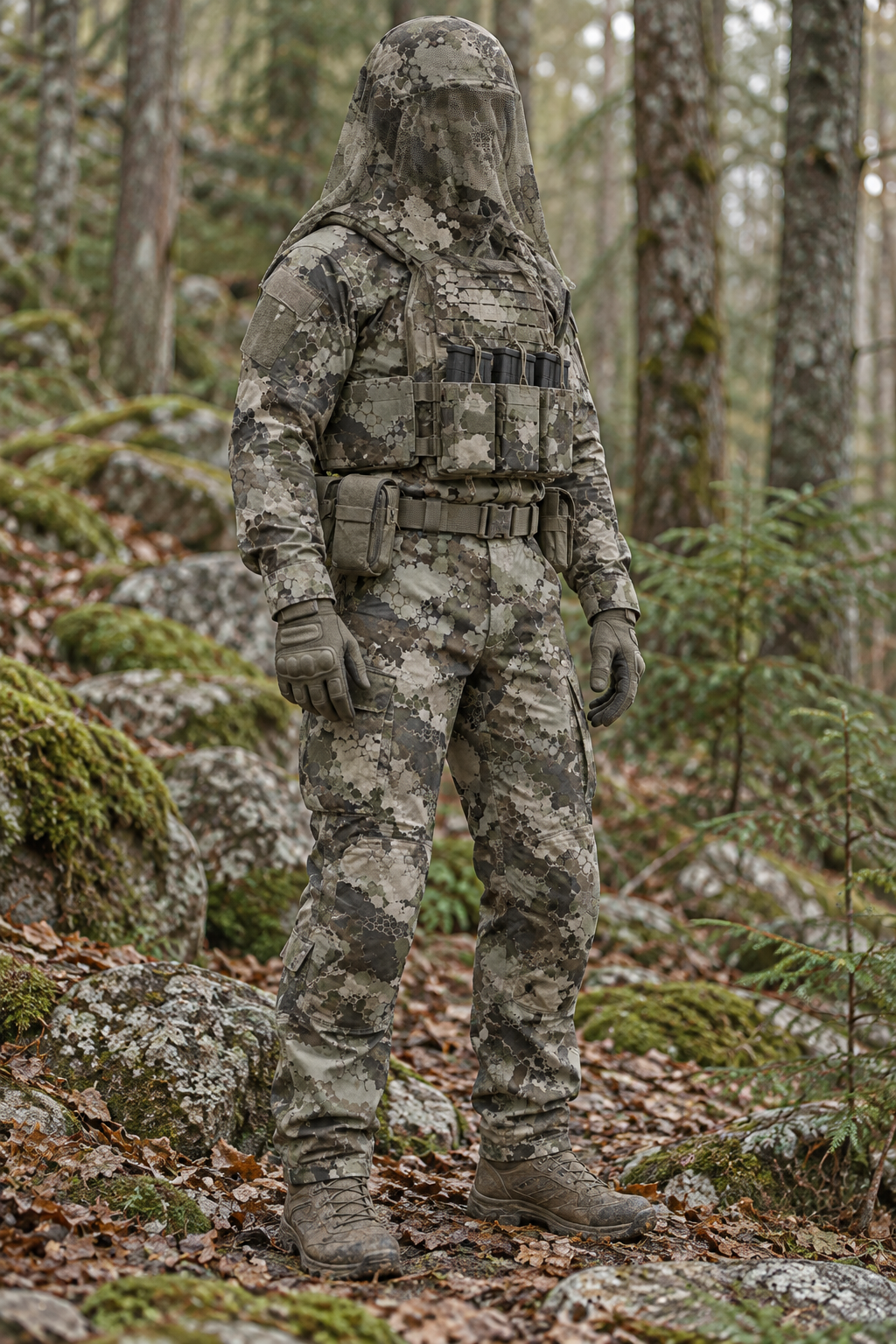
FWΩ-AT
Ash Temperate
Temperate / Mixed Forest
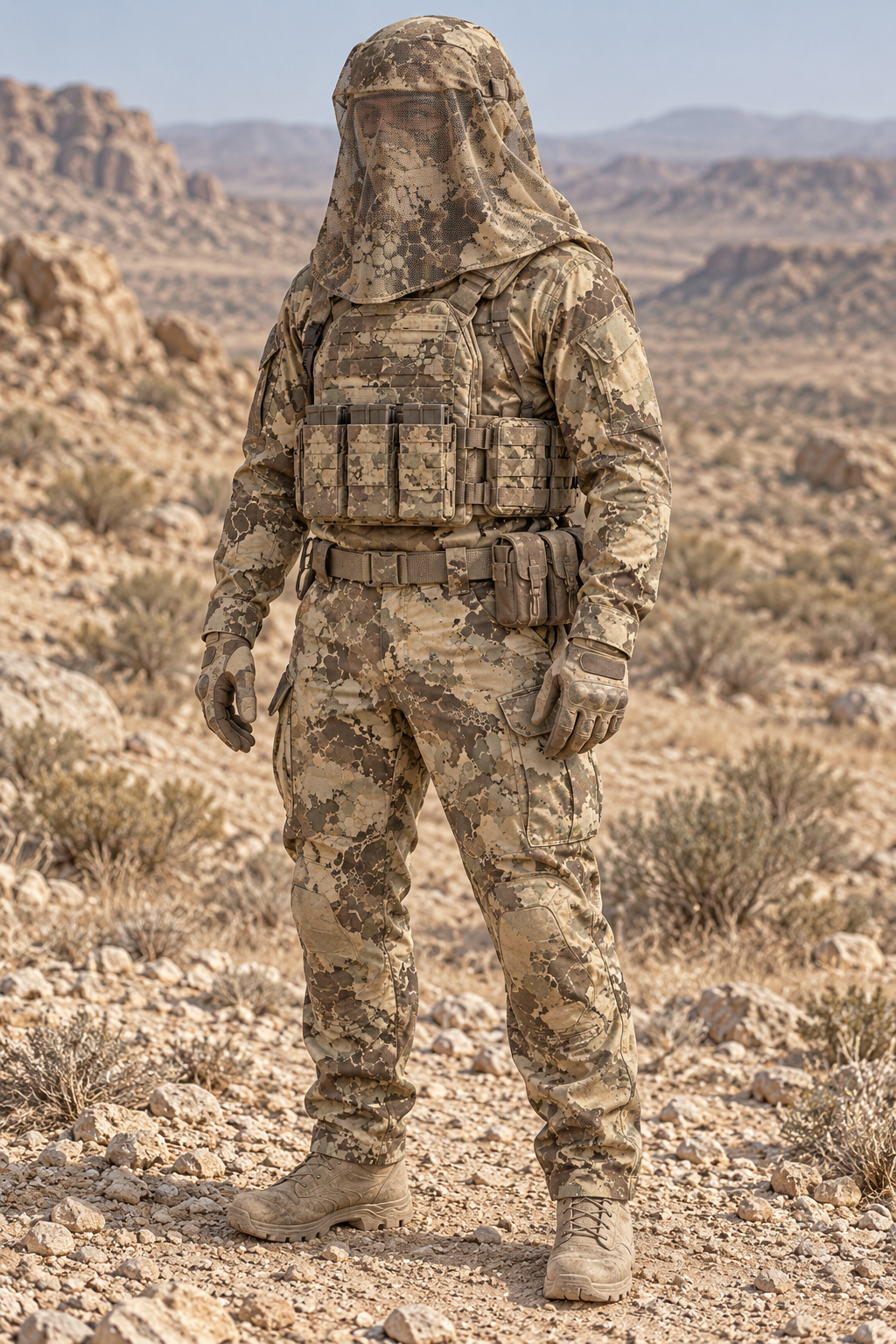
FWΩ-FA
Fault Arid
Desert / Arid Scrub
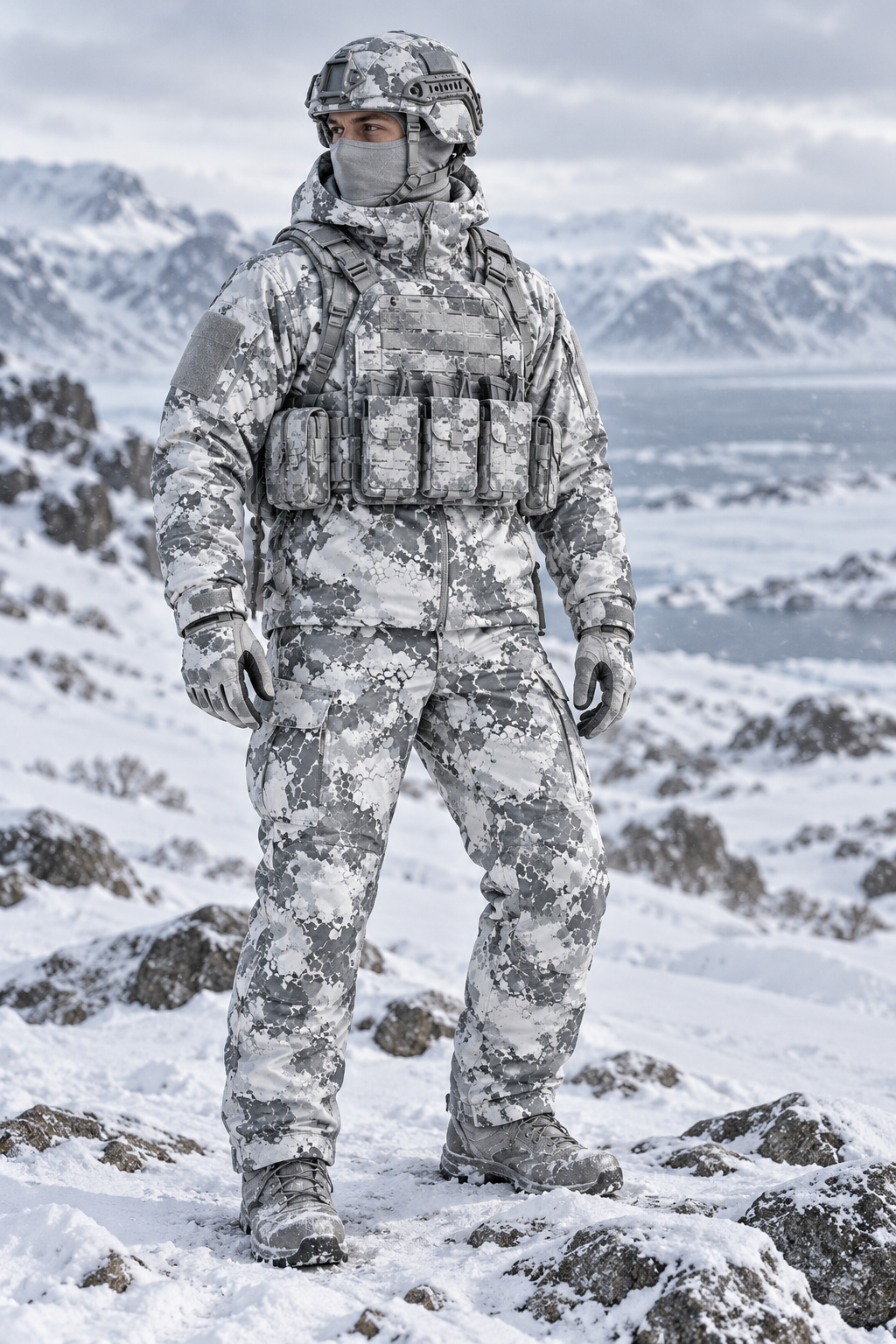
FWΩ-FR
Fracture Arctic
Alpine / Snow
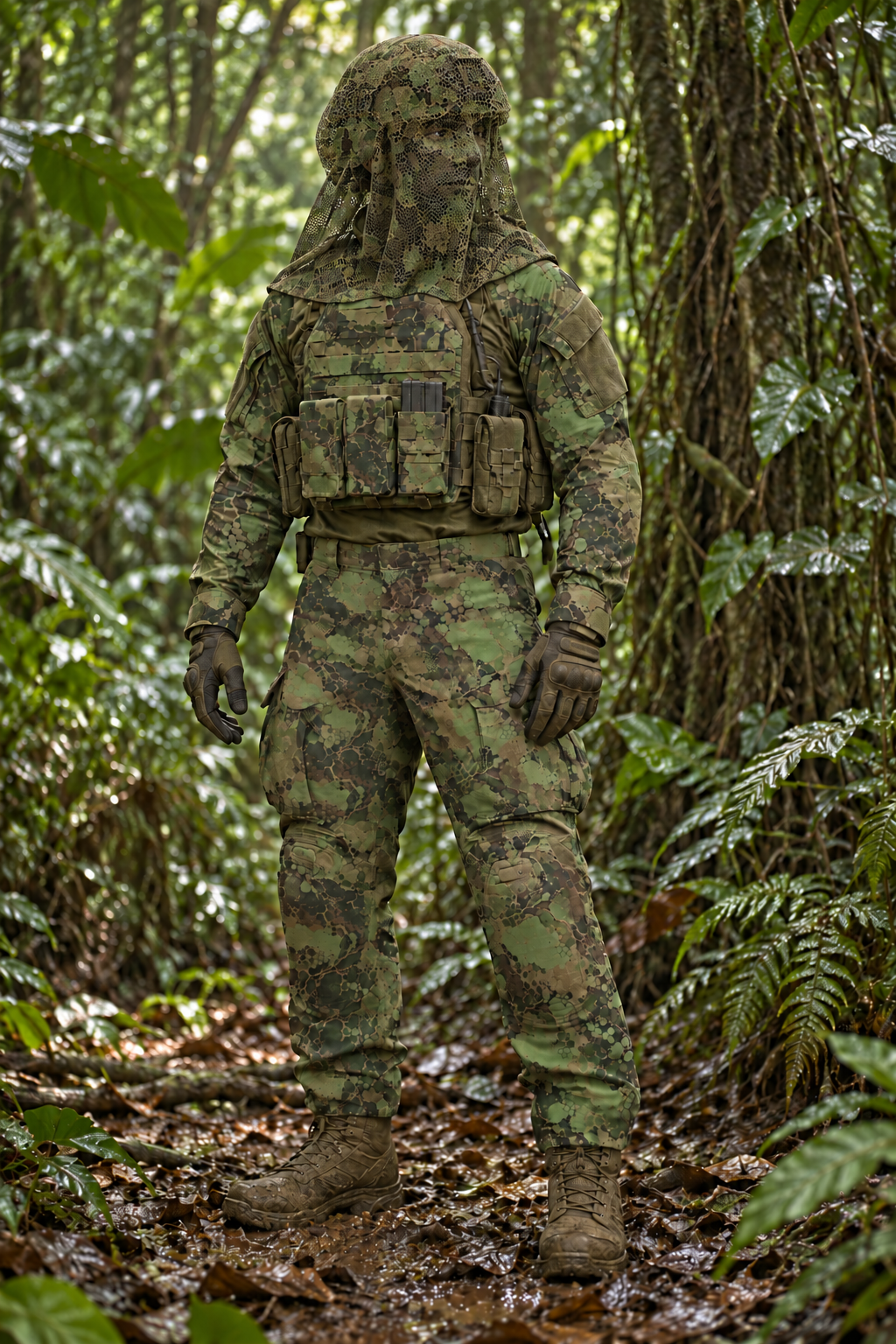
FWΩ-CP
Canopy Phantom
Jungle / Dense Canopy
Architecture
Design Principles
01
Omega-Layer Substrate
A next-generation multi-spectral substrate designed to address visual, NIR, thermal, and radar-band detection simultaneously — intended as the most comprehensive spectral architecture in the GHS portfolio.
02
Fault-Line Pattern Engine
Fracture-geometry macro-pattern designed to disrupt silhouette recognition across all terrain scales — from close-range visual to long-range optic and sensor-based detection.
03
Adaptive Colorway Matrix
Five independently engineered colorways sharing one Omega substrate — designed for seamless cross-terrain deployment without pattern or substrate change.
04
Persistent Spectral Integrity
Intended to maintain full-spectrum performance through extended operational cycles, environmental exposure, and repeated field washing — designed for sustained mission readiness.
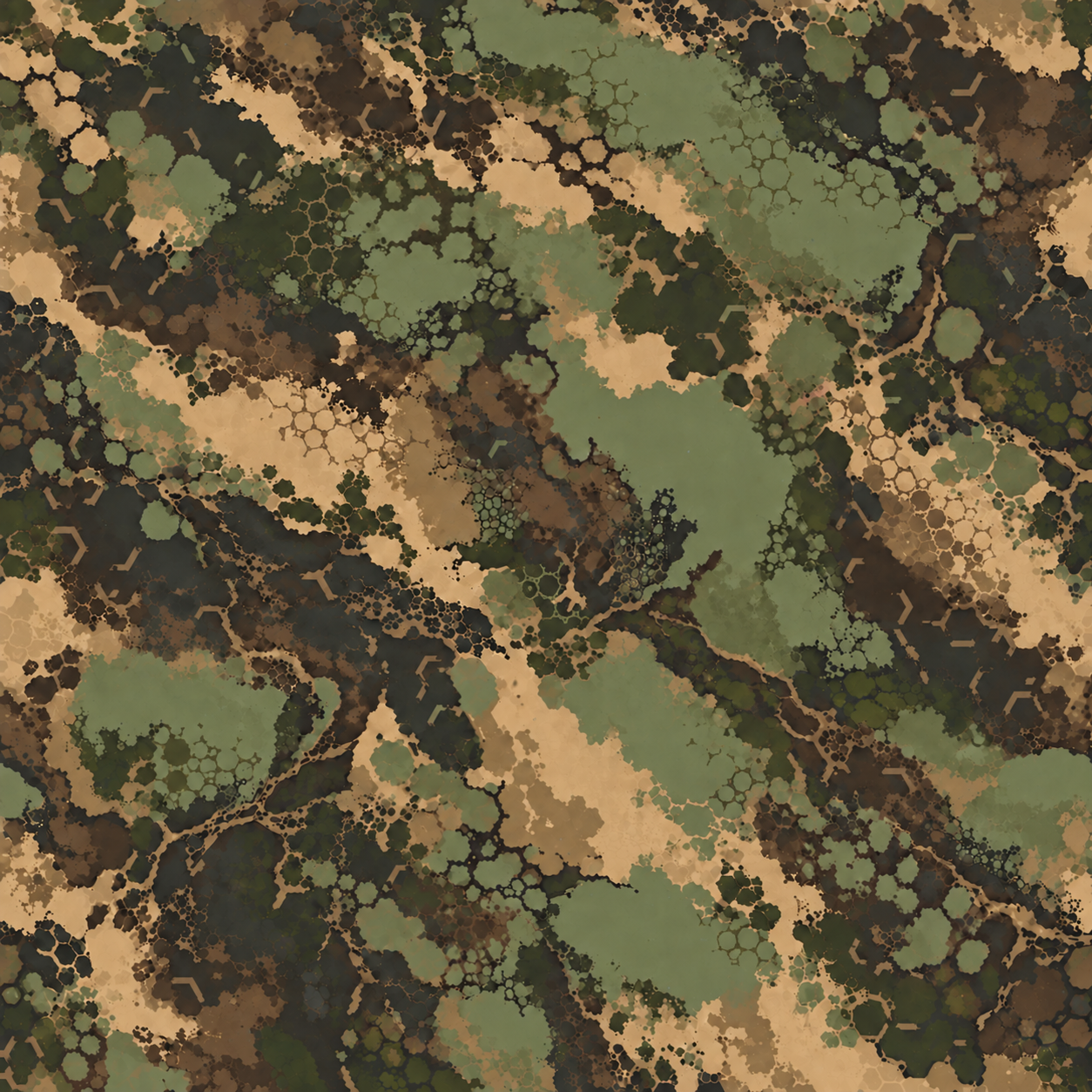
Pattern Detail
FAULTWEAVE Ω™ — Fault-Line Geometry
Full Technical Specifications — NDA Required
Detailed spectral performance data, substrate composition, and manufacturing specifications are available to qualified entities under NDA. Submit a licensing inquiry to begin the vetting process.
DREADHIVE-7
Potentially among the most capable camouflage architectures in the GHS portfolio. DreadHive-7 is designed to address multi-spectral detection — visual, NIR, and thermal — across a 5-colorway family intended for 11 terrain environments.
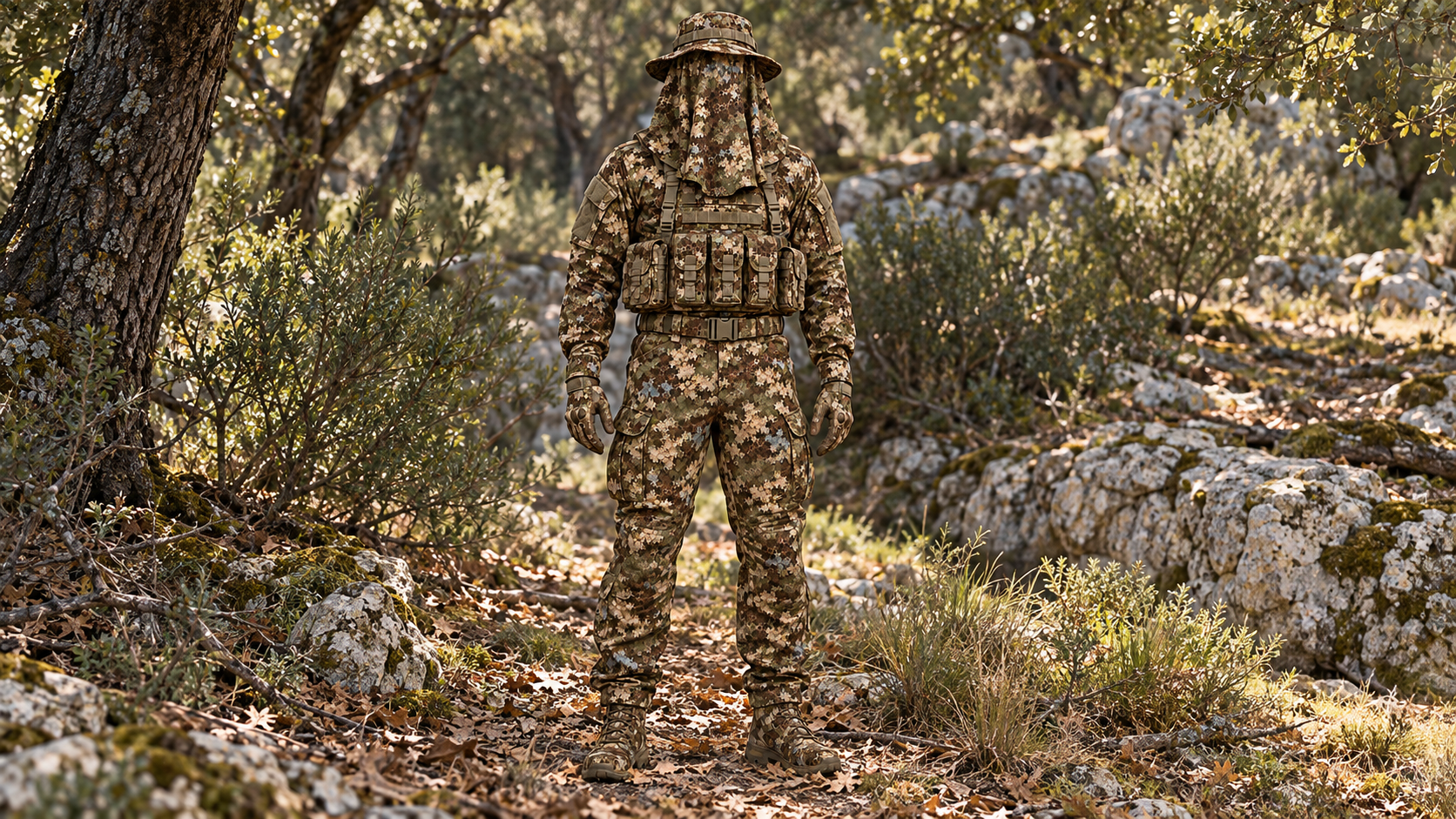
Colorway Family
5-Colorway Architecture
DH7-JP
Jungle Phantom
Jungle / Dense Canopy
DH7-AG
Arid Ghost
Desert / Arid Scrub
DH7-AW
Arctic Wraith
Alpine / Snow
DH7-US
Urban Specter
Urban / Industrial
DH7-WS
Woodland Shadow
Woodland / Mixed Forest
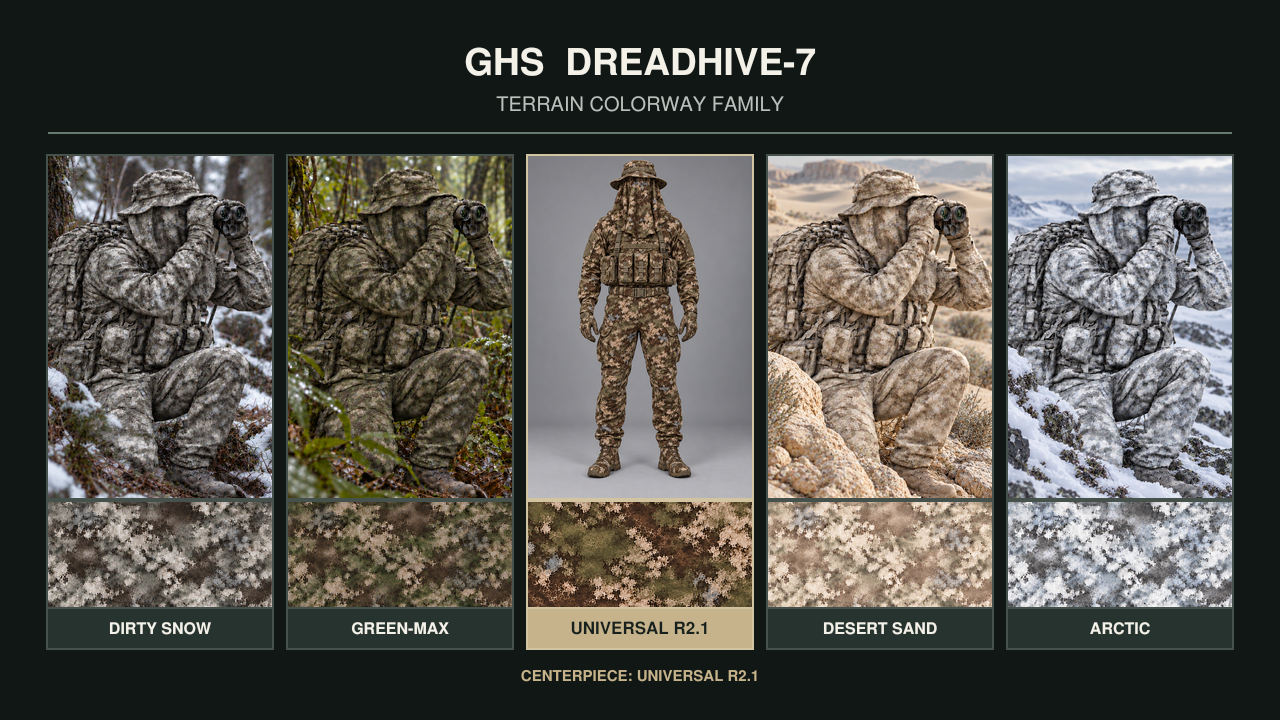
Architecture
Design Principles
Multi-Spectral Substrate
Engineered to address visual, NIR, and thermal detection simultaneously across all colorways — intended performance across spectral bands.
Terrain-Adaptive Pattern
Hexagonal micro-pattern designed to scale across 11 terrain classifications for broad environmental applicability.
Colorway Modularity
Five independently developed colorways sharing one substrate architecture for operational flexibility.
Field-Durable Construction
Intended to maintain spectral properties through extended operational use and repeated field washing.
Full Technical Specifications — NDA Required
Detailed spectral performance data, substrate composition, and manufacturing specifications are available to qualified entities under NDA. Submit a licensing inquiry to begin the vetting process.
Submit InquiryGhost Hive VII
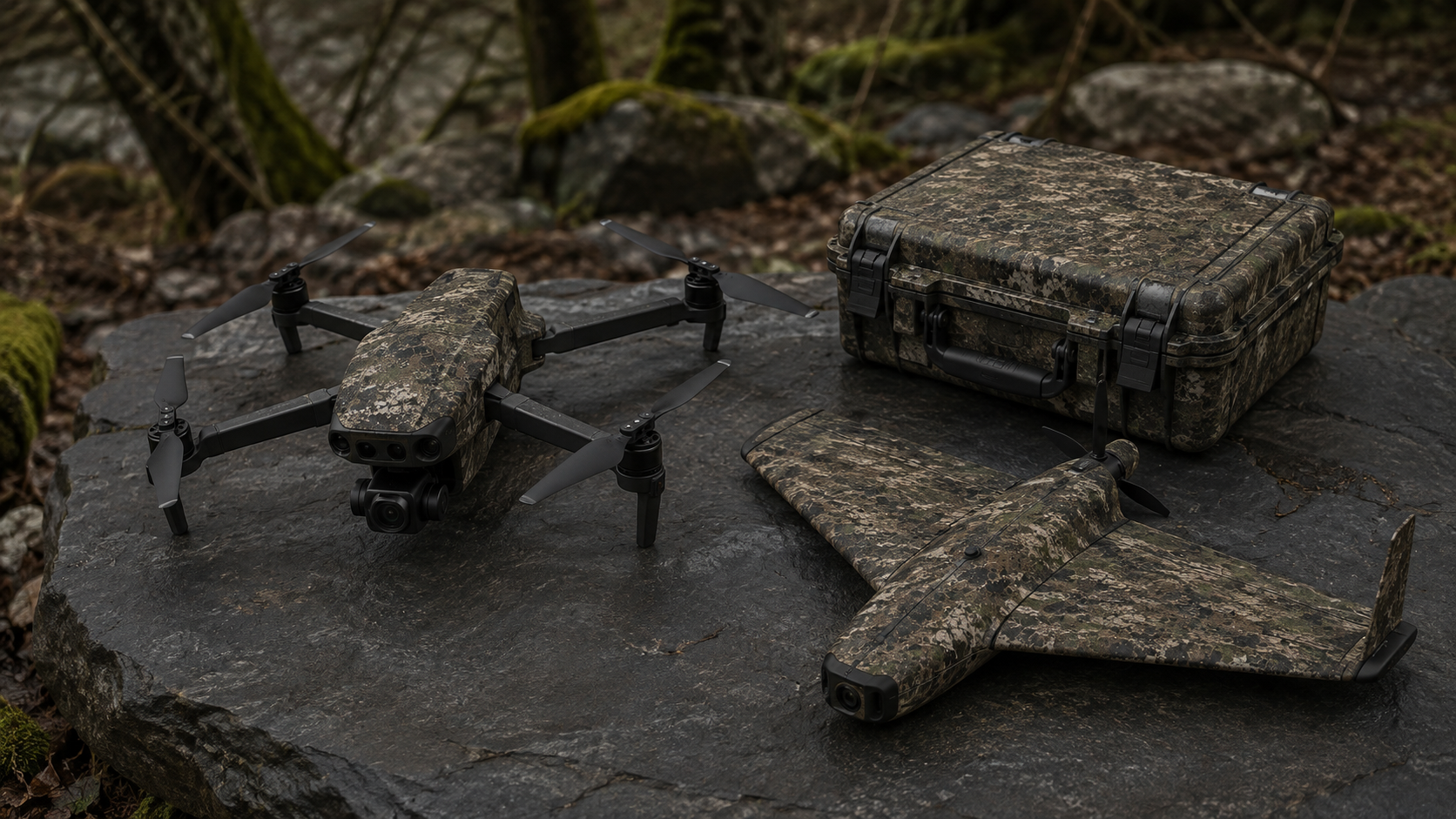
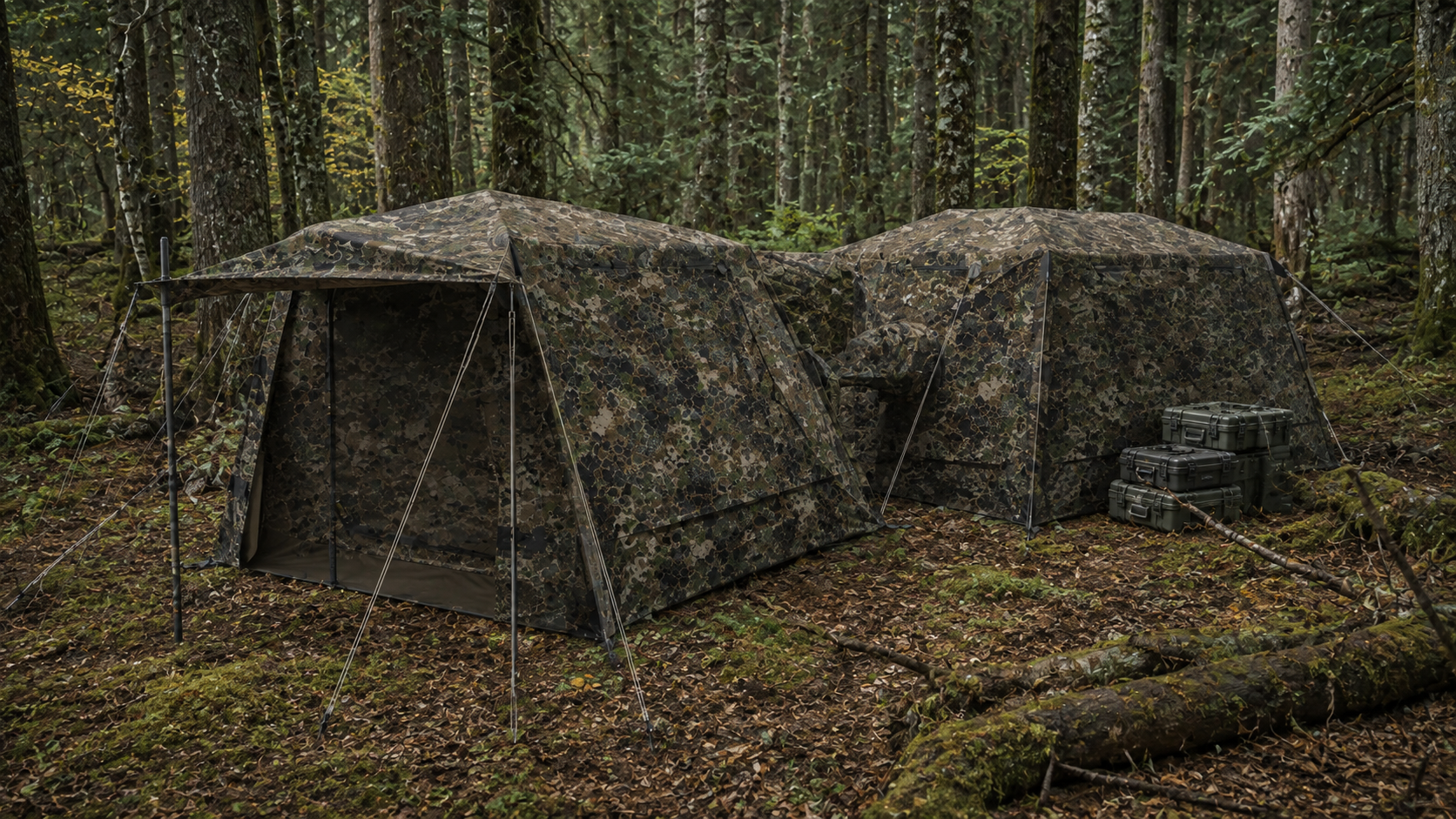
A seven-channel spectral architecture designed to address a broad range of detection environments. Ghost Hive VII is intended as a foundational platform for multi-spectral concealment across uniform, soft kit, and vehicle applications.
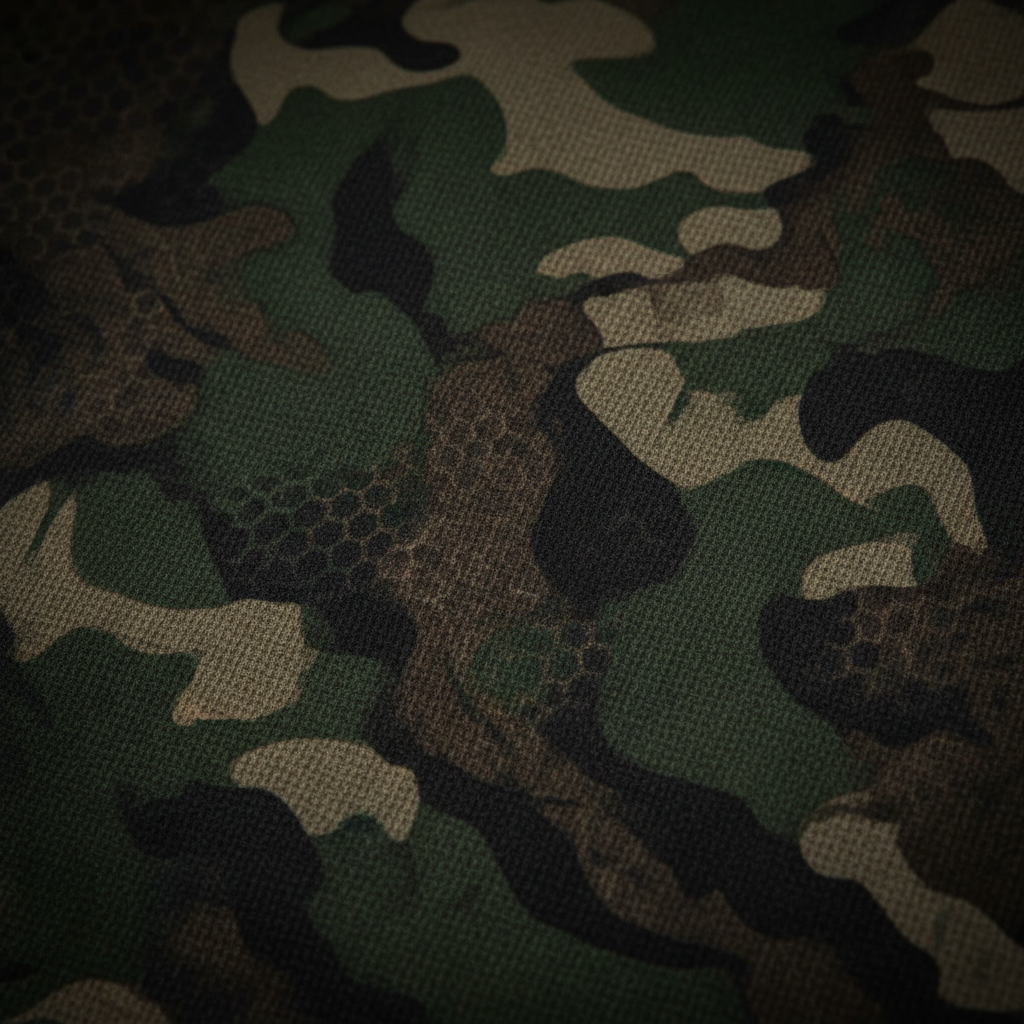
Architecture
Seven-Channel Spectral
Channels
C0 through C6
Spectral Range
VIS + NIR + SWIR
Pattern Scale
Micro / Macro dual-layer
Substrate
Woven tactical fabric
Applications
Uniform, soft kit, vehicle
Colorways
6 + 1 base
Design Intent
11 terrain environments
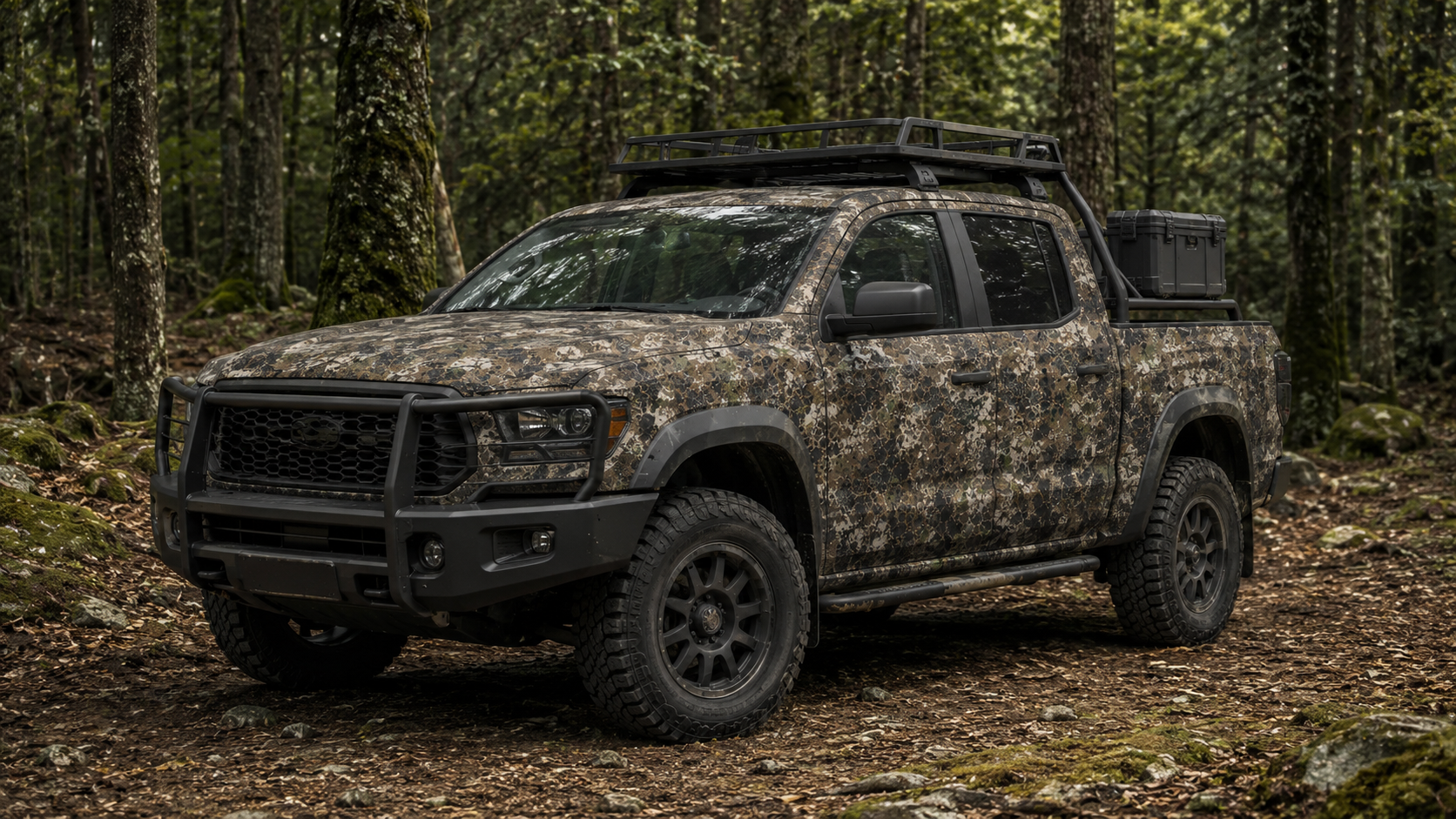
BCS MV-7T
A seven-tier Baseline Concealment System designed for modular deployment. Each tier addresses a distinct layer of the concealment challenge — from base pattern through intended spectral suppression and terrain integration.
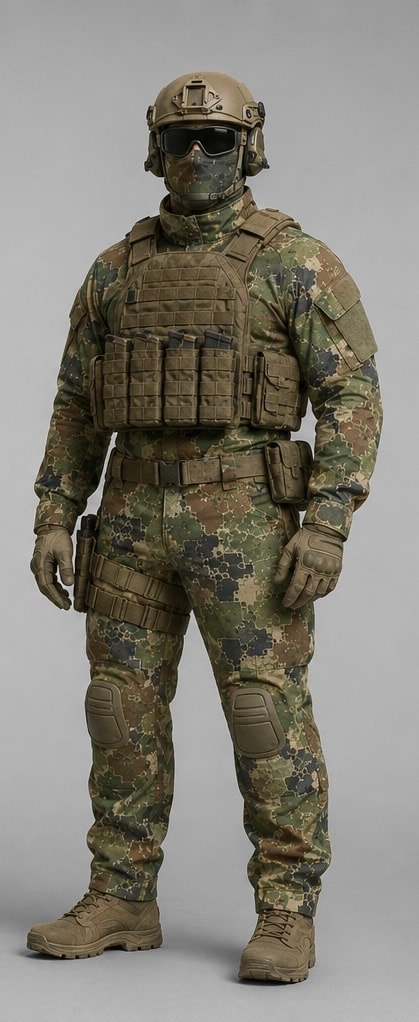
Seven-Tier Architecture
Layered Concealment Design
T-01
Base Pattern
Foundation spectral layer
T-02
Macro Disruption
Large-scale shape break
T-03
Micro Detail
Fine-grain texture layer
T-04
NIR Suppression Layer
Intended near-infrared suppression
T-05
Thermal Mitigation Layer
Intended thermal signature reduction
T-06
Terrain Blend
Environment-specific tuning
T-07
Integration Layer
System-level compatibility
Development Process
From Pattern to Production

Stage 01
Pattern Modeling
Spectral and terrain data inform initial pattern generation.

Stage 02
Spectral Testing
Intended performance across spectral bands is evaluated and refined.

Stage 03
Live Assessment
Field assessment across target terrain environments.
IP Protection Notice
All GHS architectures, patterns, and spectral methodologies are protected under U.S. and international intellectual property law. Unauthorized reproduction or use is prohibited.